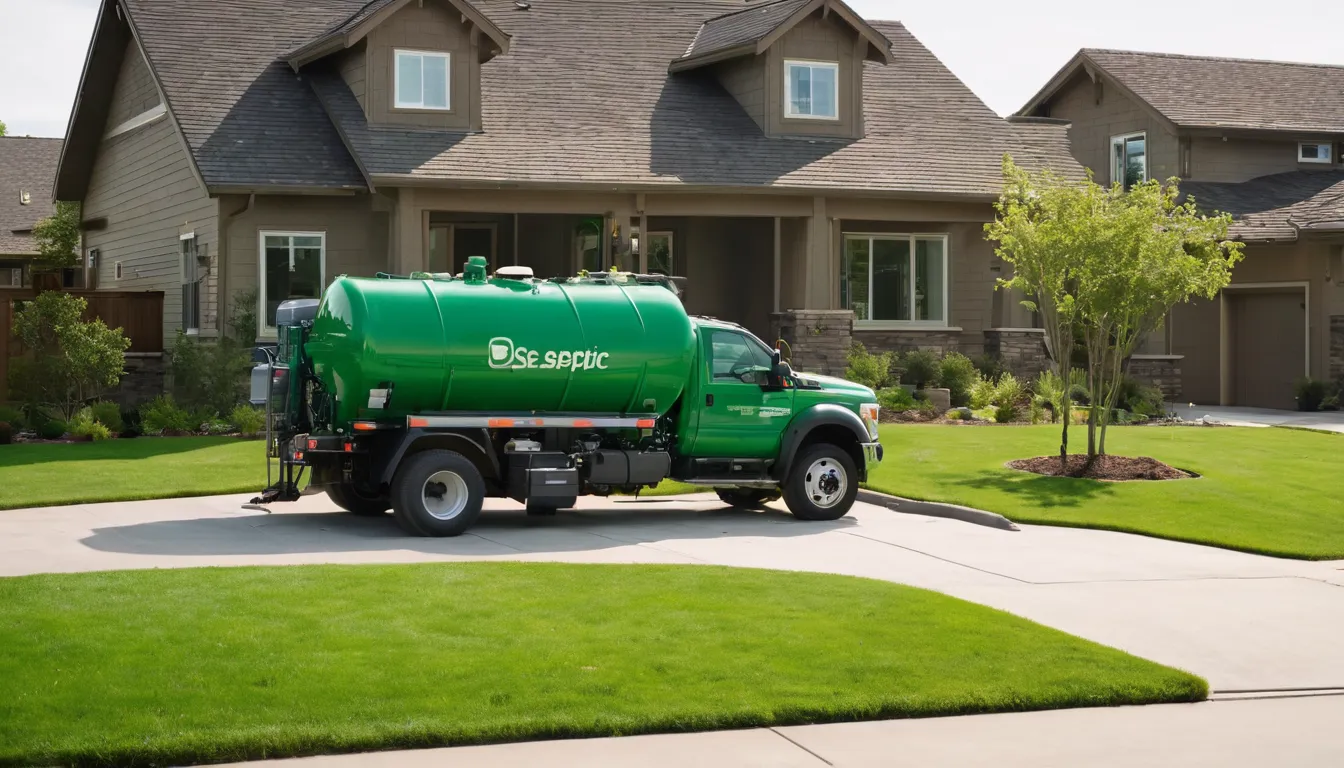
Septic Tank Pumping for Homes in Kansas City
Request an estimate from a local provider
Say you come home and the shower drains slowly, the toilet gurgles, and there is a damp smell by the yard. Those are common signs that a septic tank is full. Septic tank pumping removes the sludge and scum that settle inside, so wastewater can flow out the way it should.
Vashare Septic is a referral service. We do not pump tanks. We connect homeowners in the Kansas City area with independent providers in our network who do the work. This page walks through what tends to happen in the first hour, first day and first week, so you can see why timing matters and what to ask before you book.
Say you come home and the tank is full
Say you come home and the kitchen sink drains slowly. The toilet gurgles when the washer runs. There is a sour smell near the yard. These are classic signs that a septic tank needs pumping.
Pumping means a provider removes the sludge and scum that build up inside the tank. Providers do the work. Vashare Septic helps you reach independent local providers so you can request an estimate with no obligation.
The first hour
Say the toilets back up on a Saturday morning. In the first hour, your goal is simple: send less water into the tank. Skip laundry, long showers and the dishwasher. Every gallon you add has nowhere to go.
Look for pooling water or a strong odor over the tank lid or drainfield. Keep kids and pets away from wet spots. Do not open the lid yourself, because tank gases are dangerous.
Request a callback to check provider availability while you hold off on water use.
The first day
By the end of the first day, a full tank may push wastewater into the nearest low drain in the house. In a ranch home with a basement, that is often the floor drain or a basement shower. Cleanup is messy and the air turns unpleasant fast.
This is when emergency septic cleaning makes sense. Many providers can respond quickly, though availability varies. A provider can pump the tank, check the baffles and look for the reason it filled up so soon.
The first week
Say the tank stays full for several days. Solids can slip past the outlet and travel into the drainfield. They clog the soil that filters wastewater, and the soil slowly stops absorbing.
You may then see soggy, spongy ground or bright green grass over the field. A pumped tank is a modest job. A damaged drainfield can mean drainfield repair or a full replacement, which costs far more. Timing often decides which one you face.
How weather adds pressure
Severe spring storms and fast snowmelt can soak wide lots. Wet soil cannot take in more water, so a tank that is nearly full tips into trouble. Hard winter freezes can also make buried lids tough to reach.
Hail and high wind rarely harm the tank itself. They can knock out power to a pump or alarm, though. If your home also has a private well, ask a provider about water well service after a flood or a long backup.
How often should you pump?
Most households pump every three to five years. Your schedule depends on tank size, the number of people at home and how much water you use. A busy family of five with a small tank may need pumping sooner than a couple with a large one.
A garbage disposal adds solids and shortens the gap. Ask the provider to measure sludge depth instead of guessing.
What a pumping visit looks like
Say a provider arrives on a weekday morning. First they find the tank and open the lid. If it is buried, digging may be needed. Then they pump out the tank and scrape down the walls.
A thorough visit also covers the baffles, the liquid level and any signs of backflow from the drainfield. You should hear what they saw. Most visits take a couple of hours, depending on tank size and access.
Plan around your day
Busy households can ask for a morning or afternoon window that fits school runs and work calls. Ask which water use to pause, and for how long. Clear the path from the driveway to the tank, and plan for pets and gates.
A little prep keeps disruption low. The truck comes, the tank is emptied, and your day carries on.
Pumping and inspections
Pumping and inspection fit together well. With the tank empty, a provider can spot cracks, root intrusion and worn parts that are hidden when it is full.
Keep the written notes. Maintenance records help you time the next pumping and answer questions later.
Buying or selling a home with a septic system
Buyers and lenders often ask for a recent pumping and inspection report. Rules vary by area. Book the visit before you list the home, so a surprise does not slow closing.
Habits between pumpings
- Spread laundry across the week instead of one big day.
- Flush only toilet paper and human waste.
- Keep cars and heavy equipment off the tank and drainfield.
- Fix running toilets and dripping faucets.
- Keep grease and harsh chemicals out of drains.
- Note where the lid sits, and mark it.
Questions to ask the provider
- Can I get a written quote that lists tank size?
- Will you check the baffles and share what you find?
- What arrival window can you offer?
- Does the price change if the lid is buried?
- What should I avoid doing the day of service?
Request a callback to talk through availability, or send a request and compare what providers say.
What's Included
Tank pumping
A provider removes sludge and scum from the tank so wastewater can move on to the drainfield.
Baffle check
Providers look at inlet and outlet baffles for cracks, wear or blockage.
Lid and access check
The provider locates the lid, notes its condition and can tell you if risers may help.
Visit notes
Many providers share what they saw, such as tank condition, liquid levels and when to pump again.
Typical septic tank pumping costs
Prices vary by tank size, access, location and how full the tank is. These are typical U.S. ranges only. Ask each provider for a written quote before work begins.
| Item | Typical range | Notes |
|---|---|---|
| Routine pumping, standard tank | $300 – $600 | Common for 1,000 to 1,500 gallon tanks |
| Large tank pumping | $500 – $900 | More gallons and more time on site |
| Urgent or weekend visit | $100 – $300 extra | Varies by provider and timing |
| Digging to find the lid | $75 – $300 | Applies when the lid is buried |
| Riser and lid installation | $300 – $800 | Makes later visits easier |
| Inspection with pumping | $150 – $450 | Depends on depth of the inspection |
How It Works
Tell us the problem
Share the signs you see, like slow drains, gurgling or smells, and your preferred times through the request form.
Get matched locally
Vashare Septic connects you with independent providers in the network who serve your part of the Kansas City area.
Compare and confirm
Review each written quote, ask your questions and choose a visit window that fits your day.
Provider does the work
The provider pumps the tank, checks key parts and explains what they found before leaving.
Why Call Vashare Septic
Fewer backups
Pumping on a regular schedule keeps solids from building up until wastewater has nowhere to go in the house.
Protects drainfield
Removing solids early helps keep them from clogging the soil that cleans your wastewater.
Fewer surprises
Planned visits fit your calendar better than a stressful weekend backup.
Clear records
Notes from each visit help you time the next pumping and support a home sale.
Other Services
Need septic tank pumping in Kansas City?
Tell us what you noticed at home. Send a quick request and a local provider in our network can follow up, with no obligation.
Septic Tank Pumping FAQ
How do I know my septic tank needs pumping?
Slow drains, gurgling toilets, sewage smells and soggy ground over the tank or drainfield are common signs. A provider can confirm by measuring the sludge and scum layers inside the tank.
How long can a full septic tank go without being pumped?
Not long. Within days, solids can reach the drainfield and cause damage. Cut back on water use right away and ask a provider about availability, because delays can turn a pumping into a repair.
Does Vashare Septic pump the tank?
No. Vashare Septic is a referral service that connects you with independent local providers. The provider you choose does the work and sets the final price.
Reach a local provider
Tell us what you noticed at home. Send a quick request and a local provider in our network can follow up, with no obligation.
No obligation